
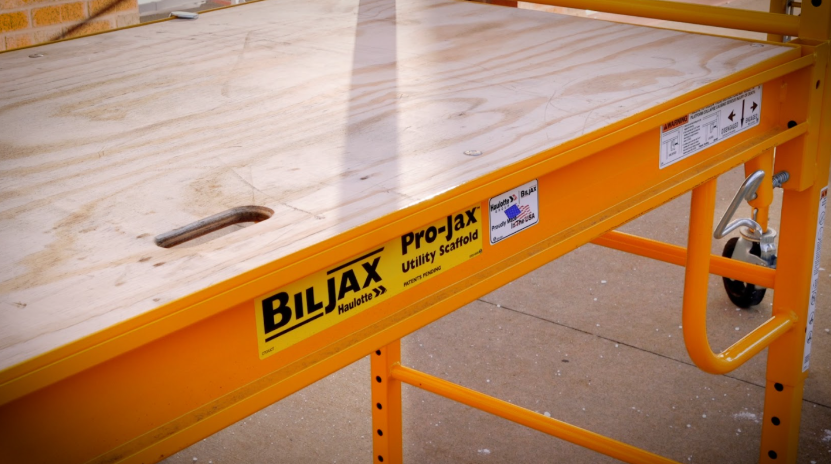
Setting up scaffolding correctly helps support safety, stability, and compliance on the job site. If you are working with a scaffold erection company or overseeing your own crew, it is important to understand the required procedures and OSHA regulations.
This guide outlines what every contractor, crew leader, and safety manager needs to know about erecting a scaffold.
Why Proper Scaffold Erection Matters
Improper scaffolding erection can lead to collapses, injuries, and costly project delays. OSHA mandates that scaffolds must be erected under the supervision of a qualified person who understands the specific requirements, load capacities, and safety measures. Following the right procedure not only protects workers but also ensures your project remains compliant with local and federal regulations.
Who Can Erect Scaffolding?
OSHA states that only qualified personnel may supervise and direct the erection and dismantling of scaffolds. This includes:
- Individuals who have received scaffolding erection training
- Those who understand the load-bearing capacity and design criteria of scaffolding
- People familiar with OSHA standards and manufacturer guidelines
While general laborers may assist, the oversight must come from someone who meets OSHA’s definition of a competent person.
Scaffold Erection Procedures: Step-by-Step Guide
The procedure for scaffold erection can vary based on type (e.g., system, frame, tower), but general best practices include:
1. Pre-Planning & Site Assessment
- Inspect the ground for level and load-bearing capacity.
- Review weather conditions.
- Determine scaffold height, base width, and anchorage needs.
2. Foundation & Base Plates
- Use adjustable base plates or screw jacks on firm, level surfaces.
- Add mudsills or wood blocks if needed.
3. Assembly of Frames or Standards
- Begin with one bay and one level.
- Install cross braces and locking pins.
- Use proper tools for secure connections.
4. Planking and Platforms
- Install OSHA scaffold planks rated for the intended load.
- Ensure all planks are secured and fully decked.
5. Guardrails and Toeboards
- Guardrails must be installed on platforms over 10 feet high.
- Toeboards required on edges where objects could fall.
6. Access Points
- Ladders, stair towers, or integral prefabricated access systems must be included.
- Never use cross braces as a means of entry.
7. Inspection
- A competent person must inspect the scaffold after erection and before each work shift.
OSHA Regulations and Height Limits
OSHA provides guidelines for the safe use of mobile and stationary scaffolding systems. These regulations focus on maintaining stability and preventing tipping during use. According to 29 CFR 1926.452(w), mobile scaffolds must follow specific height-to-base ratio limits unless additional stabilization methods are used.
For standard mobile scaffolds, OSHA recommends that the maximum working height should not exceed four times the smallest base dimension unless the scaffold is secured, tied, or otherwise stabilized. This 4:1 rule helps ensure the structure remains stable while workers perform tasks at height.
Additional stabilization methods may include:
- Tying the scaffold to a fixed structure
- Installing outriggers or stabilizers
- Using guardrails and proper platform construction
- Ensuring the scaffold is assembled on a level, stable surface
These practices reduce the risk of tipping and support safe operation when working at elevated heights.
Note: State or local regulations may impose stricter height-to-base limits than OSHA. For example, California commonly enforces a 3:1 ratio instead of OSHA’s 4:1 guideline. Contractors should always review local requirements before erecting or using scaffolding to ensure full compliance with regional safety standards.
Safety Tips for Erecting Scaffolding

To ensure worker safety and compliance, keep these key safety considerations in mind throughout the scaffold erection process:
- Always wear fall protection when working at height.
- Use tag systems to mark scaffold status (e.g., green for safe, red for unsafe).
- Maintain clear access and avoid obstructions during setup.
- Do not use damaged planks or components.
- Keep documentation of inspections and training.
Training and Certification
While a formal scaffolding erection course is not mandated by OSHA, training is. The employer must ensure that workers receive instruction that covers:
- Hazards associated with erecting and dismantling
- Fall protection systems and requirements
- Load capacities and handling materials
- Use of personal protective equipment (PPE)
Third-party training programs or manufacturer courses can fulfill these requirements and improve site safety.
Bil-Jax Scaffold Erection Support
Bil-Jax offers professional-grade scaffold systems and resources to support proper erection procedures. Our downloadable guides and scaffold erection instructions help ensure crews stay compliant and efficient. If you are looking for quick erect scaffolding, tower scaffold systems, or durable OSHA scaffold planks, Bil-Jax is a reliable partner.
Explore our full scaffold product line and downloadable erection manuals to keep your job site safe and compliant.
Build Safer, Smarter, and Stronger with Bil-Jax.