

Rolling scaffolds offer a safe and efficient solution for contractors and crews working at height, especially when mobility is key. Designed with wheels for easy repositioning, rolling scaffolding systems streamline work across multiple areas without the need for constant disassembly and setup. From indoor ceiling installations to exterior maintenance work, these mobile platforms help teams work smarter—but only when used correctly.
In this guide, we’ll explore the key benefits of rolling scaffolds, highlight critical safety protocols, and showcase best practices to keep your crew productive and protected on the job.
What Is Rolling Scaffolding?
Rolling scaffolding—also referred to as mobile scaffolding or wheeled scaffolding—is a temporary work platform equipped with casters or wheels. Unlike fixed scaffolding systems, rolling scaffolds are designed for mobility and ease of relocation, making them ideal for jobs that require frequent repositioning.
Common applications include:
- Drywall and ceiling installation
- Painting and finish work
- Indoor electrical or HVAC tasks
- Exterior maintenance on flat surfaces
Bil-Jax offers industry-trusted Rolling Tower systems that combine strength, adaptability, and mobility for professional-grade jobsite performance.
Why Use Wheeled Scaffolding?
Rolling scaffolds solve several challenges on dynamic job sites, providing:
- Mobility: Easily move from one area to another without teardown.
- Speed: Minimize downtime between phases of work.
- Compact Design: Systems like EZ-RAX simplify storage and transport.
- Modularity: Configure height, width, and components based on the task.
This versatility makes rolling scaffolds a preferred option for small-to-midscale interior and exterior projects.
Basic Safety Guidelines for Rolling Scaffold Towers
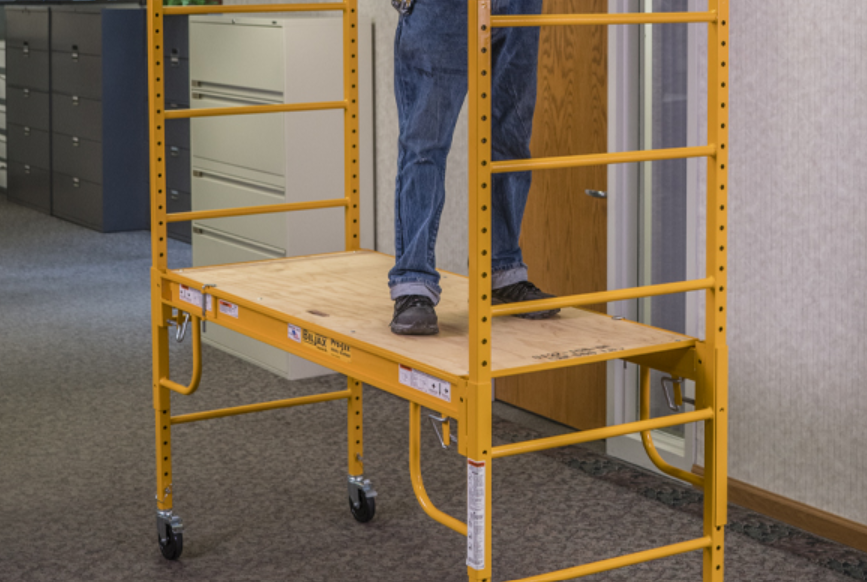
Despite their convenience, rolling scaffolds come with specific safety requirements. To ensure jobsite compliance and protect your team, follow these best practices:
1. Lock the Wheels Before Climbing
Engage the caster brakes fully before anyone ascends the scaffold. This prevents unintentional movement that could result in a fall or injury.
2. Work on Level Ground Only
Position rolling scaffolds only on firm, level surfaces. Uneven terrain or soft ground increases the risk of tipping and compromises platform stability.
3. Secure Tools and Materials
Use tool lanyards, storage bins, or netting to keep tools and materials from falling off the platform. This protects both the crew on the scaffold and workers below.
4. Install Guardrails and Toe Boards
Guardrails are required for platforms over 10 feet, and toe boards prevent small tools from sliding off. These features are critical for fall protection and OSHA compliance.
5. Avoid High Winds and Outdoor Use During Storms
Strong gusts can make rolling scaffolds unstable. Avoid using them outdoors in windy or stormy conditions to reduce the risk of tip-overs.
6. Never Move While Occupied
Rolling scaffolds must not be moved while workers are on the platform. OSHA explicitly prohibits riding on moving scaffolds due to the high risk of falls and collisions.
Proper use not only protects workers but also prevents costly project delays due to accidents.
OSHA & ANSI Compliance for Mobile Scaffolds
Scaffold safety is regulated under OSHA 1926 Subpart L. For rolling scaffolds, compliance includes:
- Guardrails on platforms over 10 feet
- Locking casters during use
- Safe access to the platform (ladders, built-in rungs)
- Platform weight limits clearly observed
- Use only compatible components from the same manufacturer
ANSI standards further emphasize safe design, proper assembly, and inspection protocols. Adhering to both sets of standards helps ensure legal and operational safety on your job site.
Storing and Transporting Rolling Scaffolding Systems
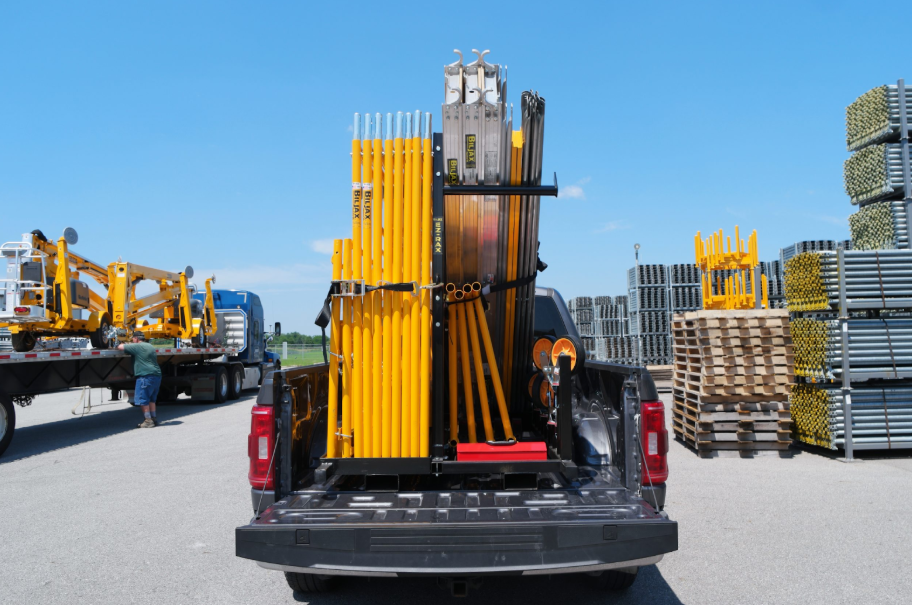
Bil-Jax’s EZ-RAX system allows efficient storage and transport of scaffold towers by streamlining organization and reducing wear during handling. Proper storage and transportation protect your investment and enhance day-to-day jobsite readiness.
Stack Components Securely
To prevent shifting or damage during transit, stack frames, braces, and planks in a secure, stable configuration. Use straps or tie-downs as needed to keep everything in place.
Bundle and Label for Easy Inventory
Group similar components—such as braces, planks, or guardrails—into bundles and clearly label them. This simplifies inventory checks and speeds up staging for the next job.
Use Forklift-Compatible Racks
Scaffolding storage racks like EZ-RAX are designed for forklift access, reducing manual handling and improving efficiency when loading or unloading.
Clean Platforms Before Storage
Remove any debris, paint, or chemical residue from platforms before placing them in storage. Clean equipment lasts longer and helps maintain safety standards.
Inspect Before Return
After transport or job completion, check all components for signs of wear or damage. Identifying issues early prevents unsafe gear from reaching the next jobsite.
Proper logistics management ensures scaffolding systems are job-ready, minimizes downtime, and extends the life of your investment.
Why Choose Bil-Jax Rolling Scaffolding?
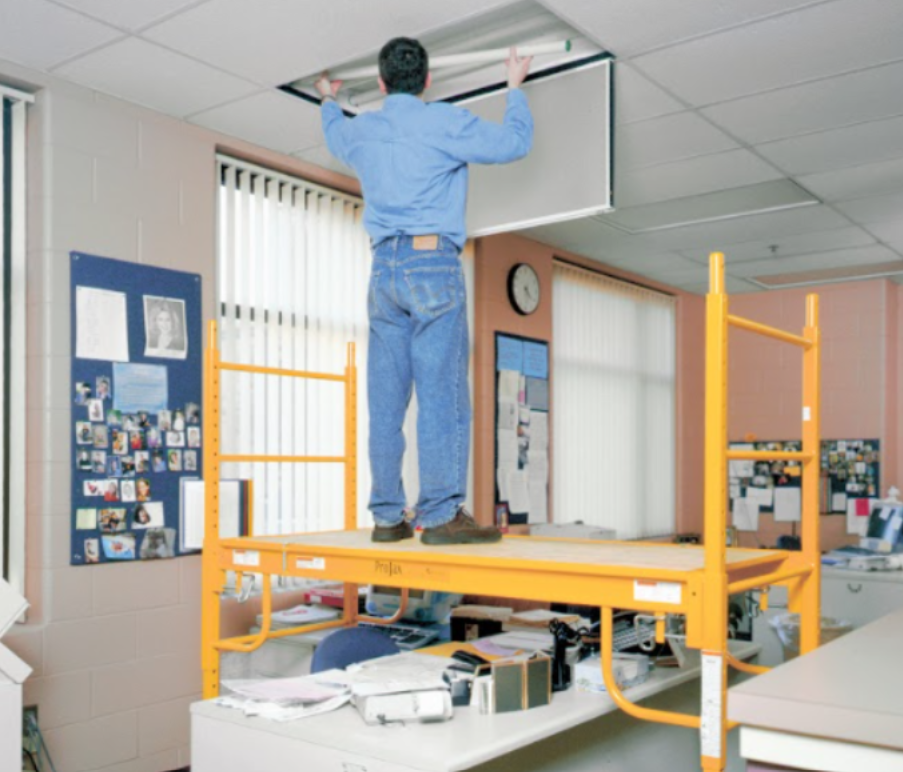
Bil-Jax rolling scaffolds are built for professional reliability and designed with both safety and performance in mind. Key features include:
- Heavy-duty steel frames engineered for strength and durability
- Precision-fit components that eliminate wobble, drift, and unexpected shifting during use
- Non-slip platform surfaces to enhance worker footing and minimize slip hazards
- Modular build options for tailoring height, width, and configuration to specific jobsite requirements
- Quick-connect braces, caster locks, and locking pins for streamlined setup and secure positioning
Bil-Jax scaffolding systems are trusted by contractors nationwide for their ability to handle demanding conditions while improving jobsite efficiency. Whether working indoors or outside, Bil-Jax rolling towers deliver dependable performance you can count on.
Keep the Job Moving, Safely
Rolling scaffolding brings flexibility and speed to the job site—but safety should always roll right alongside. By following best practices, ensuring compliance, and choosing proven equipment like Bil-Jax, contractors can create safer, more efficient worksites that keep crews productive and projects on track.
Explore Bil-Jax Rolling Towers and EZ-RAX storage systems to optimize your next project from ground to platform.